 I would not consider myself a Delhi expert. There are people who have lived their whole lives here who would not dare say with a straight face that they ‘know’ Delhi. It is cities upon cities, villages reinvented as towns, farmers come urbanites all compounded on top of themselves. Suffice it to say that Delhi is dense. And quite frankly, it is a category of dense I’ve never experienced in any of my previous travels.
So, it is particularly interesting when I get to host other travelers, and I get to play tour guide to the foreign stars. They want the Taj Mahal and tikka, they must see Lodhi Gardens and Lutyens; and while I do my darnedest to make it happen, what I don’t always have the time to do is give them the gems of my day to day. Perhaps not the most glamorous or adventurous sights and sounds, these are the places I find myself feeling particularly guilty that I didn’t tell them all about. Now, my favorite places aren’t secrets by any means. Locals and expats have discovered them and frequent some with vigor – but they don’t appear in too many guide books that pride themselves on over glamorizing the Indian experience. As a tip, never trust a book that presents Old Delhi as magical (instead of a bustling haven for pickpockets and claustrophobia) and Qawwali as a calming religious experience (instead of a hot, outdoor graveyard packed to the brim with Delhi’s prayerful and pauper population).
I suffer from the great gentrifier’s conundrum – trying to strike the balance between sharing info about what’s new to me, without building a buzz large enough to draw the types of crowds that will destroy all the splendor. Suspending all that, with great reluctance and great enthusiasm, I’ll give you the top 10 Delhi sites that I wish each of my guests got to see (but never told any other tourist about):
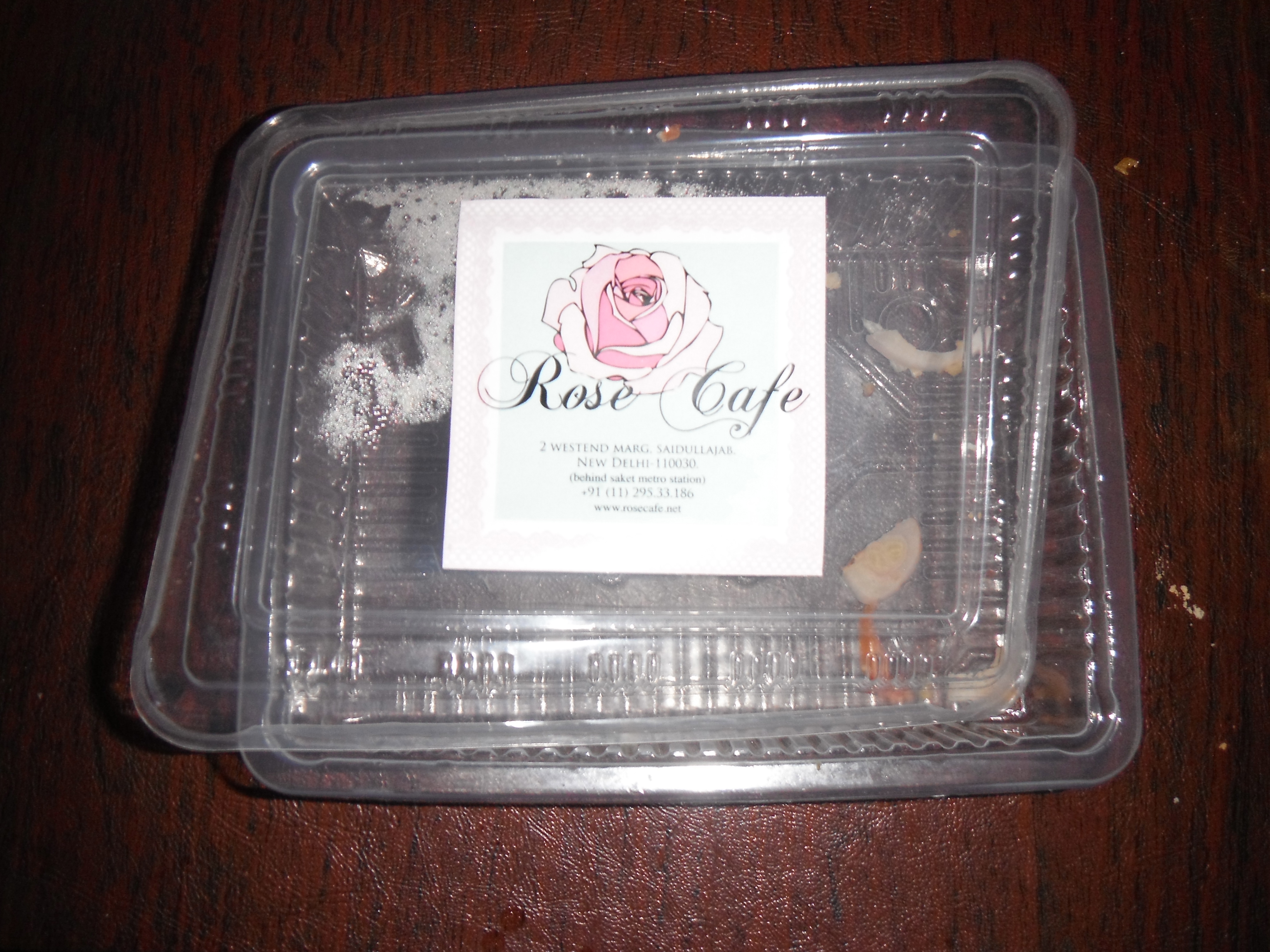 1 – The Rose Cafe in Saket – As you approach the Garden of Five Senses, there is a one floor building, painted rose pink on the right side of the road. It’s a very pregnant pink. It makes you think there’s got to be something sweet inside. Oh, how the Rose Cafe doesn’t disappoint with tasty beverages & bites, served amidst pleasant, French country-house style decor. What a sweet respite from the dirt road outside.
2 – The ruins at Hauz Khas Village – I always thought that at the end of the road, there wasn’t much beyond the gates after Yeti. Alas, I couldn’t have been more wrong(er). There are so many little inlets and passageways in the ruins that border the lake. No one can seem to place the complex in a clear historical timeline, but perhaps it was a madrassa campus. Regardless, it’s a cool place to pass the day, except when the weather is hot – of course.
3 – My yard – It ain’t much to look at by normal standards, but in my neighborhood yards are not normal. My little patch of green, furnished with an apricot tree, potted roses, mint vines, and bougainvillea all around, is a sight for sore eyes. The tandori pit doesn’t hurt either.
4 – The pub at the British High Commission – Diplomats comprise a popular percentage of the expats in this city. So, naturally, Embassies hold a particular allure. The Brits’ pub isn’t special as far as pubs go, but Delhi’s bars aren’t known for cigar chairs and Strongbow. Maybe the pub’s endangered status is intentional, but I’m happy that one still lives on.
 5 – The reservoir in Nizammudin – Step well, reservoir, swimming pool, same thing. Built by Hazrat Nizammudin 700 years ago, the structure houses a spring that is enclosed on all sides by sacred spaces and residential homes. While the enclave’s residents can now, more than ever before, drink the water (though I still wouldn’t) – they also take baths and make pilgrimages in it too. Through the geometric cut outs in the walls, I prefer to observe boys doing backflips off the steps into the brownish, greenish pool below.
6 – ‘The cave’ in Sarojini Nagar Market – Unlike Khan market or South Ex, Sarojini market is pretty pedestrian. Mixed in between the shoe string lady on the opposite side of the street from the mobile phone recharge booth and the mid-range sari shops is a little inlet known as ‘the cave.’ I’m not even sure that it is a structure, per se, but a clump of clothing vendors who have laid down and pinned up tarps to make a mini market to hawk their goods. Dresses for 400 rupees, shirts for 2? It’s an experience…
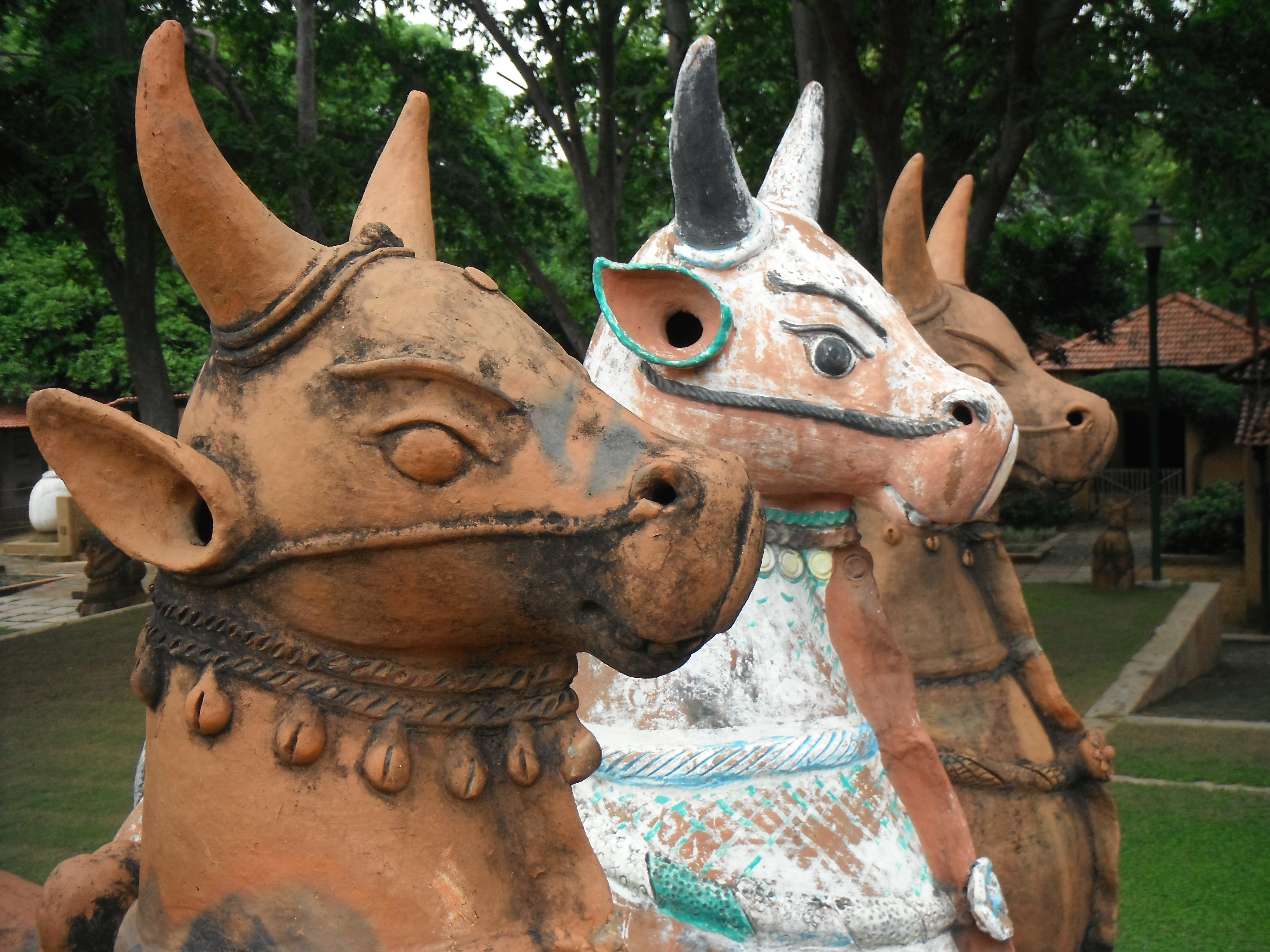 7 – Museums in Gurgaon: This one is a cheat. I know Gurgaon isn’t part of Delhi, but once you get here you’ll realize just how much it actually is. There is more to Gurgaon than high rises and multinationals – and no, I don’t mean malls all named DLF. There are lots of museums and art galleries out there just waiting to be explored. Where else to house these collections except in converted farm land or on sprawling farm house properties? Have your pick: Sanskriti Kendra Museum, Museum of Folk and Tribal Art, The Devi Art Foundation… and more.
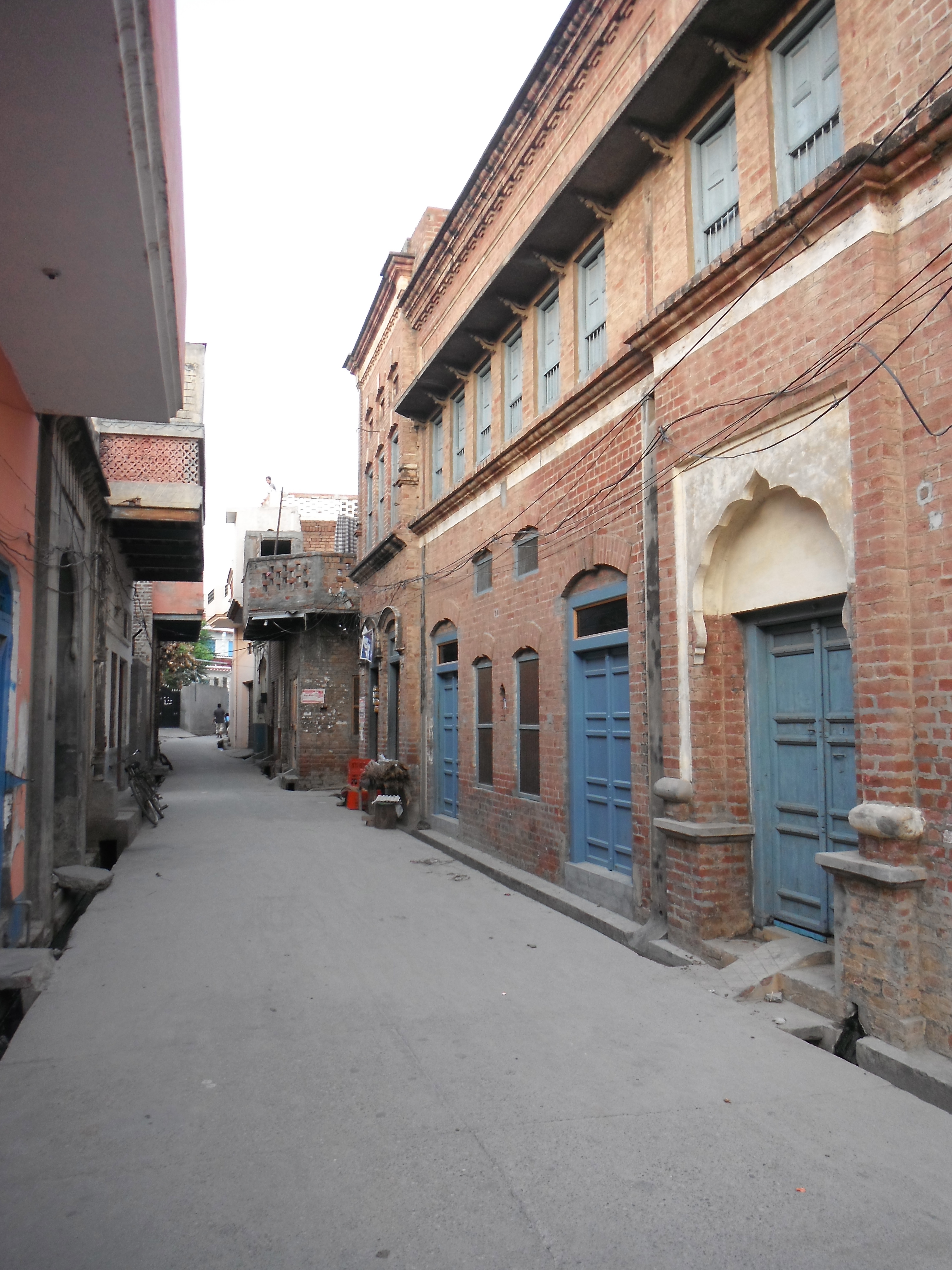 8 – Normal people’s houses – It is hard to understand what ‘normal’ really means here in Delhi. But, visiting different people’s houses gives you a sense of the complexities of the term. Whether it’s a one bedroom flat it Mayur Vihar or a 5 house complex in Saket, you will only get to know Delhi-ites by being welcomed into their homes – where they spend time with the people they love.
9 – Lado Sarai – What a quirky little ‘hood this one is. I hope it’s the under-discovered, under-popularized Hauz Khas Village that people don’t ever go to – except maybe you and me. With its high end and niche brands in the Crescent Mall, and it’s design houses and odd shops, I’m cornering this part of town as my new playground.
10 – The India International Centre – I’m often rendered awe-struck by the kinds of programming this place has. Who knew it had an annex? Whether it’s book launches or movies, educational talks or cultural displays, I find myself going to the IIC about once a month to unhinge my inner academic and learn even more about India’s charm.

 existabovethenoise