Ratchet Resolutions…

I started off this year with no resolutions. Instead, I started off in a slump and it’s unclear if I’ve actually gotten out of it. Why, you may ask? A sure fire diagnostic is my fierce approximation to all things ratchet in an attempt to escape my funk. It’s similar to my tendency to buy shoes when I’m escaping feeling fat AND hyper scheduling my vacations at the start of the year to avoid focusing on one more year of work.

I know this pattern. I put down the Economist and have been feverishly reading blogbloids on Amina Buddafly and Tara’s project twins. I’ve changed my privacy settings on Facebook to block new people and unblock bad blood. Safe to say, I’m acting like Janet Hubert and courting ratchet trouble.

To get this out of my system fully, I’ve decided to create a retail therapy inspired ratchet wish list. If I can possibly contain and collect ratchetness, rather than actually enact and embody it, I think that’s a 2016 win.
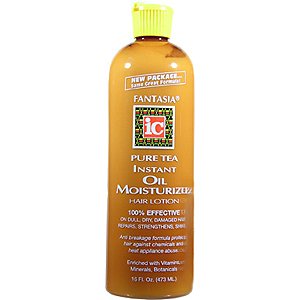
 

31UYdgLaqDL5. My hair has had just about enough of these dainty chemical free botanical moisturizers. It’s time to step away from the Carol’s Daughter products and go straight back into the arms of ole’ ratchet Fantasia. Let’s take it back to where it all began 16 yrs ago when I started my dreadlocks. I C Hair Tea at $7/ bottle used to last months and I smelled like cotton candy for weeks. Maybe this isn’t exactly ratchet, but… it feels like a step down off the sophisticated, overly hair conscious, natural hair shenanigans train.
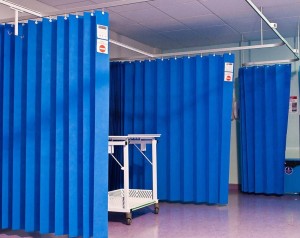
 

4. I was reading up on the most expensive curtain purchase heard of in the modern history of public spending.  I’m just kidding. I don’t know where this stacks up against wasteful misuse of public funds but apparently Kenya has a radio station: ghettoradio.co.ke that reported on this ghettoness and it made me long for ratchet curtains… For the record 7.8 Million Kenyan Shilling is around $75,000USD.


3. TheTaTaTop-18-of-29-247x300The Ta Ta Top are nipples on a bikini top. While they were made to be an evocative feminist ode to the female choice to expose (or not) her own body, I think they are really ratchet. And for some reason, I think it’d be hilarious if I could own and fully utilize the shock and awe they produce to laugh me out of my funk. #thetatatop


2. I find this entire website pretty ratchet [and slightly desparate], but whodathunk they also have a shopping cart? http://www.wifeyntraining.com took a series of Afro-American classics and made each and every one of them ratchet. How can one make Oprah, the Color Purple and plain white t-shirts all ratchet at the same damn time? #ratchetpiecetheater


  1. dottyrossPantyhoez’ ratchet hip hop panties. Check out the ‘rap pack’ collection… No explanation necessary. #pears #watermelons #pineapples !


As you can see… my slump is pretty bad, but that’s no reason not to laugh at my pain.

I made breakfast for dinner last night and the ratchet part is that I didn’t make any grits! Total breakfast blasphemy. Spicy soy sausages and Krusteaz pancakes minus Bob’s Red Mill Corn Grits does not a true meal make. I’m hoping that a few more days lounging in the sun near the pool with an ice cold Savannah will help cure me of my ratchet inclinations and reverse my slow start to this new year.

Wish me luck!
African Window Shopping

12322536_10102163250390672_4913808849918494200_oFor as long as I’ve heard of Luanda I’ve known that the town is pricey. It has religiously been on the top ten list of the most expensive cities in the world and when I happen to spot Angolans in Brasil, South Africa or Mozambique they stick out like a very sore, expensive thumb. They tend to be flashy and fashion conscious elsewhere, but how can that be when they warn that Luanda’s shop prices are appalling?

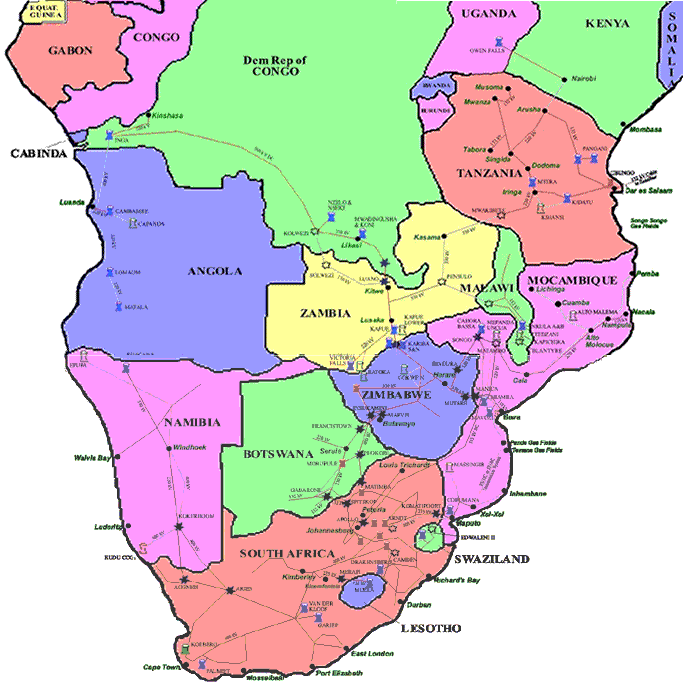
If you don’t know much about Africa or southern Africa or Angola, you should get acquainted. The country sits on the southwest coast of Africa, just south of both Congos and north of Namibia *Windhoek.* It was once colonized by the Portuguese and Luanda was the epicenter of economic life. Colonization took a strong hold here and, for me, its remnants are more visible here than in other ex-Portuguese colonies. The Portuguese fought hard to keep Angola within the crown because there were so many expats living there and so much money made from exports and natural resources. Independence came in 1975 after a multifaceted resistance movement that started as early as 1956. After independence, a civil war broke out between nascent political parties and it lasted until 2002. Over half a million people lost their lives and about 1 million were said to be displaced (both internally and internationally). The country shares porous borders and cultural ties with its neighbors, with many people having relatives that live in both Congos & speak French or in Namibia & speak English. Tribulations in bordering countries have reverberations in Angola.

How did the capitol get so expensive? Angola is an oil rich state. Much of the nation’s conflicts and economy revolve around an oil rich region named Cabinda. It is disputed territory, but the Angolans have held fast to their claim. Oil is the backbone of Angola’s economy and, with its protectionist policies & hefty bureaucracy, much of the nation’s wealth has remained in country.  The colonial legacies of Namibia (forcibly annexed to South Africa) have resulted in either family ties or none at all to its neighbors to the south, so they’re not dumping their cash into the @home store in Cape Town as much as I had suspected. Angolans tend to keep within the Portuguese speaking world and often head to Lisbon for all things they idealize.

Oddly enough, Portuguese neo-colonialism has resulted in the demand for Portuguese imports and the oil market has powered the ability of many people in Luanda to willingly pay the high costs of transportation, fees, taxes and mark ups involved in getting goods from Europe.

Anywho, Luanda is notorious for being a shopping nightmare. I was told to bring my food with me and only plan to purchase perishables in town. I was warned to be prepared and to pack well, because I’d be giving up a limb and a progeny to replace basic clothing items forgotten in my haste.

I’m happy to report that it’s not so bad to shop in Luanda, but there are a few catches. First, there is a lot of poverty. I don’t want to paint the picture that this town looks like the Abu Dhabi of Africa. There are many people who struggle for the basics and I would be remiss to omit them. Second, the exchange rate, foreign currency exchange, and oil prices have all fluctuated ridiculously over this past year. It has resulted in the USD to Kwanza exchange being officially 135 Kwanza to 1 USD, but the street rate can go as high as double that.  Based on exchange alone, prices have dropped about 50% for those paid in dollars. Third, Luanda is full of stores. I mean FULL. There are boutiques everywhere. There are new malls popping up. There is an abundance and variety of options, if you’re actually looking and think you can afford it. So, I went on the prowl.

I shopped craft fairs:

I shopped designer boutiques:

I shopped mid range shops:


And I reached out to independent designers:

12369096_10102163273384592_7360479286658635130_n

We all know this is not the end of my exploratory shopping project, but the initial visit was indeed promising. Artisan crafts are much higher priced than what can be found in neighboring countries, but since Luanda believes itself to be very Afro-Europolitan  there are actually few craft shops to choose from anyway. I’d say hitch a layover to Johannesburg airport and shop duty free instead. There’s more variety and quality there than in Luanda.

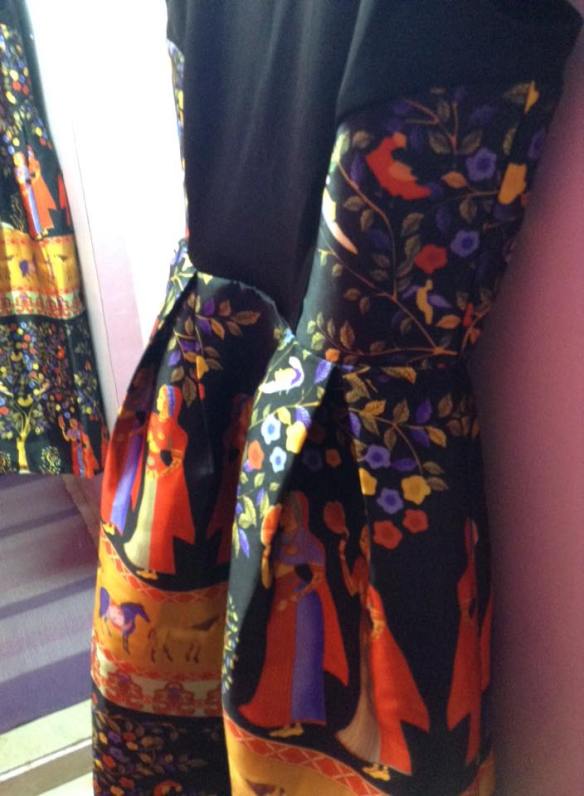
The clothing boutiques vary. I absolutely fell in love with a dress priced at 36,000 Kwanza or about $265 USD. While the dress was cute and it actually fit, it was made in China by a brand called Hesperus. Google it and see if you find a single thing on this brand that doesn’t entail a creepy wholesale website that asks you for your SSN before you check out.  #supersideeye


12342287_10102163273609142_450035248121986792_n (1)12366416_10102163273509342_3879969013952408802_n

The price was too high for my blood, so it stayed in the store as a result. But, it haunts me!

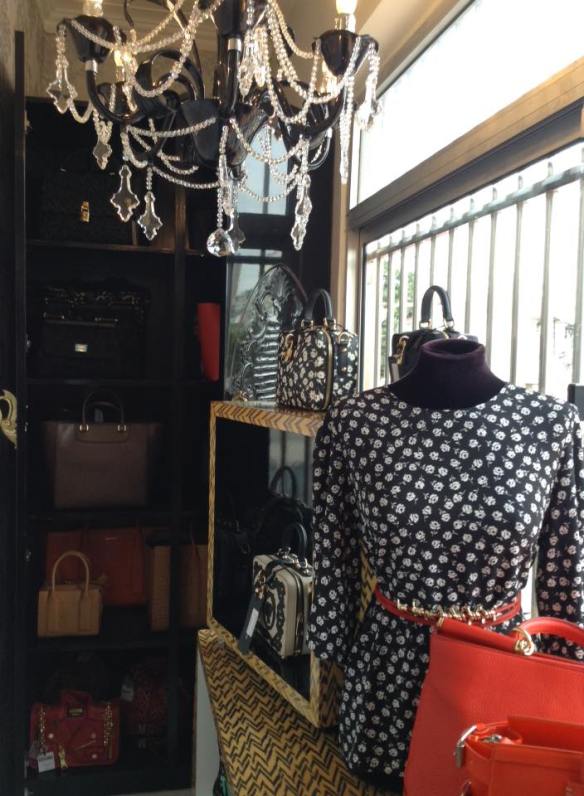
Last, the high end stores range from exactly the same outrageous US price to slightly less. My personal fave was the Dolce & Gabbana collection at Boutique Anisabel, though I couldn’t afford even a belt on the discount rack.

11138489_10102163273803752_4582903780682822117_n

The Du Carmo store turned out to be a big hit and just affordable enough to make my heart skip a beat. I almost considered getting my niece a couture frock and my husband some Orlebar Brown polos until I remembered that neither one of them is currently in Luanda and I’m extremely selfish. Back to the ladies’ section:

All in all, the shopping expedition was interesting and insightful. From brand names to Chinese no names, it is true that Angolan stores have interesting European styles and, in a pinch, a lovely young lady could theoretically hop to an unknown shop and pick up a much needed outfit or accessory for a special occasion. The prices certainly aren’t cheap, but they are accessible for a splurge. This visit has certainly debunked the myth that it’s impossible to shop in Luanda.

It is certainly possible, but it should be done with caution!