

Kiss Him, Johannesburg (2015)
Since the clock struck 12, just 25 days ago, much has happened. Yet for weeks, I’ve felt that not so much of it has been worth writing about. I went to Joburg for my poor, poor friend’s wedding (you remember her, right?). I went to Durban to celebrate my birthday. One of my very best friends came to town to enjoy it all. I went to work a lot. I met exciting new people for my research. I made a few new friends. I bought the Minaj’s album (as well as that of Mafikizolo, Chris Brown, Drake and Liquideep). I even made my first donation, as promised, to the Whitman Walker Clinic. All great things…I tell you. And none of that has seemed worth writing about.
I’m jaded.
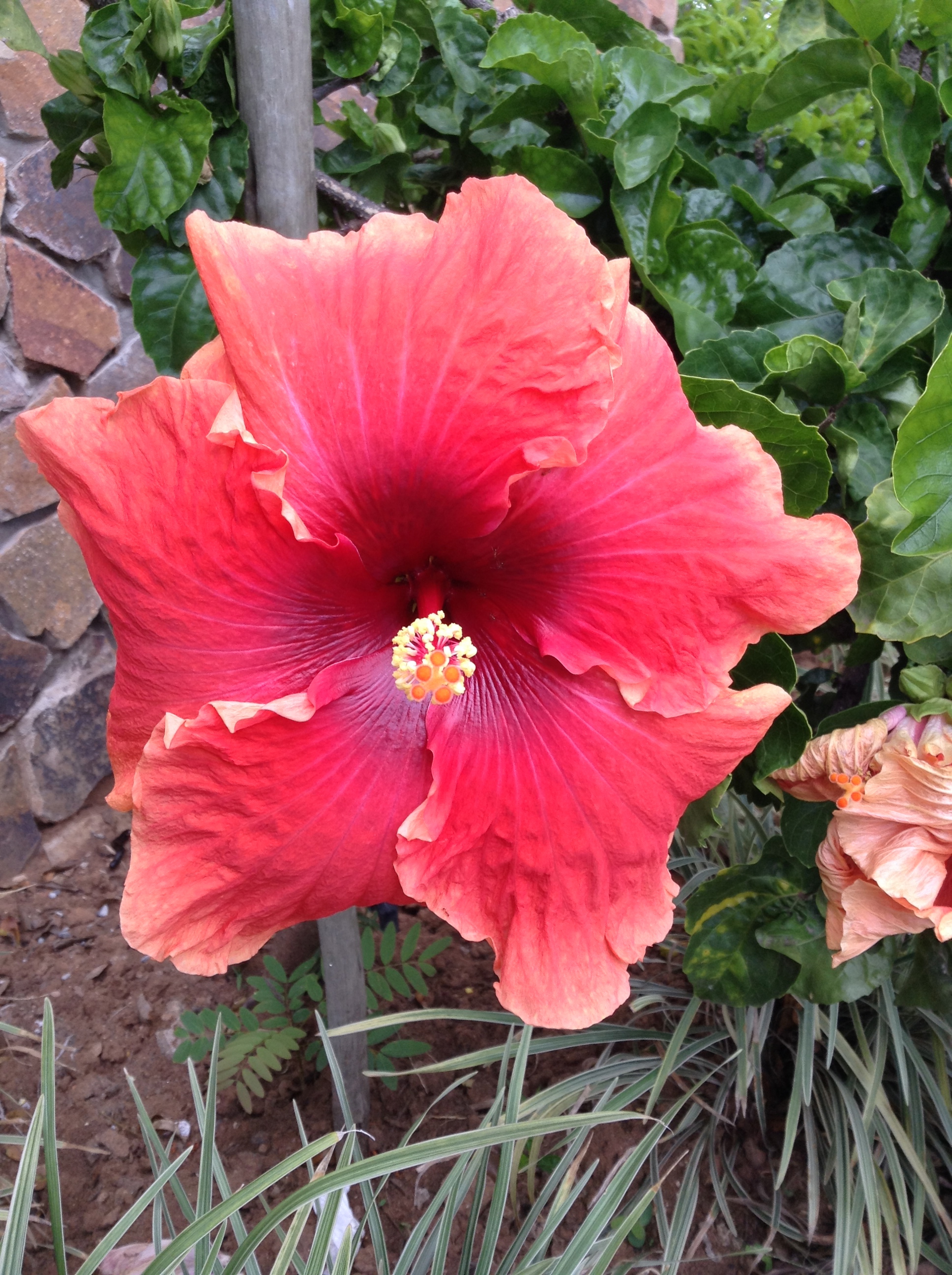 I’ve always been a bit of an Eeyore, i.e. the cynic (borderline pessimist) who never understands what the big deal is about things that other people considered big deals. But the problem now is that I feel like I’m doing so much that I just don’t get a chance to stop and smell whatever this flower is called, much less appreciate it enough to write about it. My whole life my parents have reminded me that I’m “never satisfied.” No matter how much they tried to make me smile or enjoy a good day, I was always looking for more of a good thing, so much so that it negated their efforts in the moment. And what’s worse, I think I’ve lost the ability to understand how stressful chasing the next satisfaction really is on me and the people I love.
What most might call “a first world problem,” has followed me wherever I’ve lived, wherever I’ve gone, no matter how much I try to run away from responsibilities. So, maybe it’s just a character flaw? I don’t know how to relax. I never have. Is it possible that I never will?
I’ve spent much of my adult life talking with counselors and therapists, friends and people who probably didn’t really care enough to listen with both ears, simply trying to find outlets to vent. But it has occurred to me now that talking about all the things I do, rather than actually limiting those things, will not offer much relief. I watched a really great Ted Talk on ‘work/ life balance’ a few weeks back and I thought “shit, so a gym membership won’t fix this?” (Nigel Marsh: How to make work-life balance work).
When I originally heard the term back in 2009, I was a skeptic of the value of ‘work/life balance’ debates. First, I didn’t have much of a family and I’d just started my job, so work was still exciting for me. Almost 6 years down the line, I’m figuring at this rate either my body or my brains will fight against any willful efforts at procreation, so there’s nothing to balance there. According to the IRS, my husband and I make a family. That should be enough to tear me away from my office, except my sense of work ethic keeps me attached to my seat complaining about people I don’t particularly like and work I don’t find particularly meaningful. Not to mention that at this very moment, my work eats a piece of brain and two pieces of my soul on a daily basis.
My poorly thought out solution was to chase my dream of completing a PhD. But, there’s a fundamental problem here. I didn’t actually quit my job. How many more hours of the day did I gain by pretending that work isn’t the real focal point of my life? Negative 8 hours.
I genuinely feel like out of a 9 hour work day, when I add the time I spend without my spouse and the time I should be working on my PhD, and divide that by the time I spend complaining, I end up losing 8 hours of life energy per day. The 1 hour retained was lunch.

So, of all the awesome things I’ve done in the past few weeks to take my mind off things and to relax, much of it – like my PhD – seemed to be fulfilling, but still stress-inducing. I made work out of relaxing and certainly didn’t take the time to stop and enjoy each moment.
Nigel Marsh says that even adding a gym work out to the mix won’t help me be more balanced, just more fit. And I’m inclined to believe him. It’s already one more thing on my lengthy and never-ending to do list… just above “read.”

Obviously, for me the question isn’t so much about the tension between work and life, but finding value in both accomplishments and happiness. Being a glutton for work punishment may be an outgrowth of my own inability to separate the two. My own personal sense of achievement comes from seeing something through from start to finish. I value measurable accomplishments. Taking the time to live out my own happiness is hard thing to step back and admire. I’m not sure how to celebrate my days spent at the pool. But, it sure makes me feel energized for the days ahead and it just feels good.
Perhaps 2015 is the year to figure it all out…
 existabovethenoise