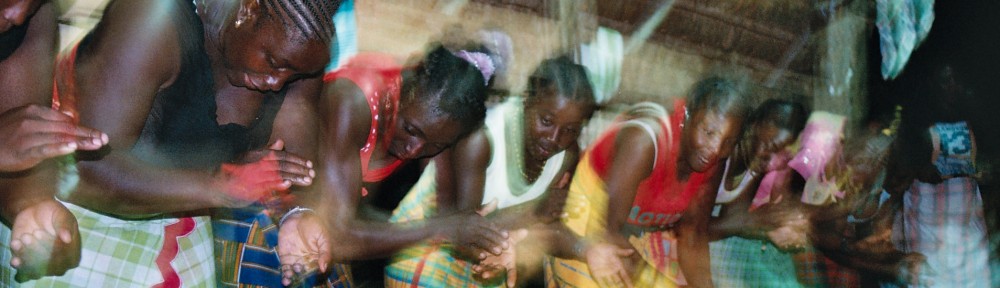
 mozambique is much like other countries in this region – there is rhetoric about strong women behind powerful men, with disparities and conundrums in the fore. women are perhaps the hardest working people in any society but often the least educated and the most vulnerable. in just the last 25 years, advances in mozambican development spouted gender equity in all sectors but the reality lags behind. i wont go into the details that can be found in texts by more learned scholars. stephanie urdang`s `and still they dance` tells most of the tale, and when paired with `s is for samora` by sarah lefanu, it says it all. what ive seen is my own glimpse into a more complex microcosm of the present.
being new here is a gendered experience. my male friends have a tendency to fit right in with a harem of the curious and available. i, on the other hand, have been made to silently compete with shapely women who adeptly tiptoe on cracking sidewalks in 3 inch heels. a little femme competition keeps us all young, but my experience has been made only more confusing by being the newest woman to join a family of territorial and outspoken mozambican women. their sense of conviction in rightness, traditions, unspoken family secrets are all traded as membership currency. in time ive learned to appreciate the fissures and to recognize the `in crowd.`
for the first time in my life i have sisters. i have obligations to people i havent chosen to let into my life. and some of them can relate to my feelings of being an outcast in a group i didnt choose. there are those who marr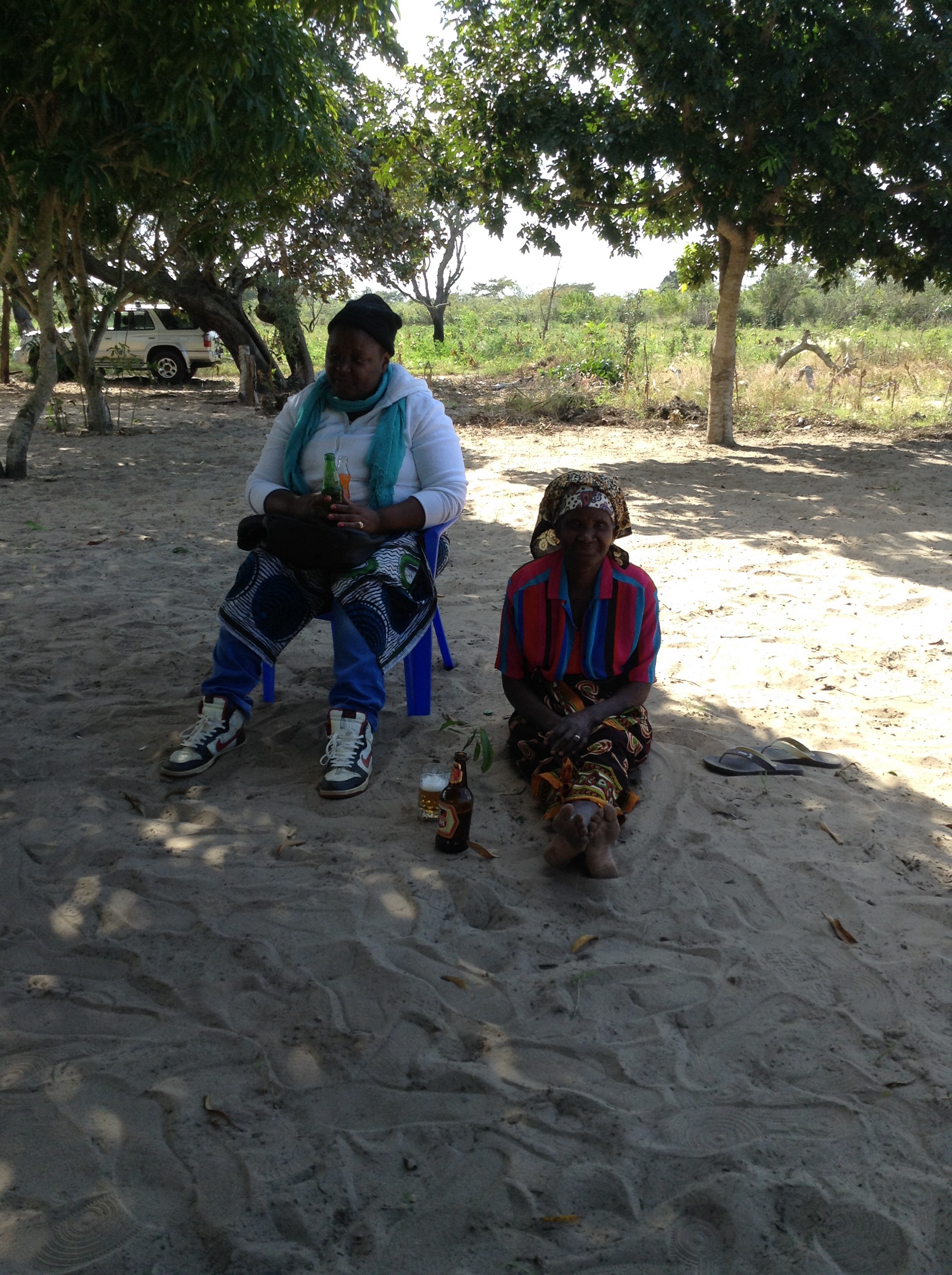 ied into the family and their husbands have died, leaving them to deal with these battle axes alone. there are the daughters of men who never married their mothers. they, like me, have various levels of membership in this club and varying levels of interest in membership. nevertheless, we`re altogether and we`re all we`ve got at the moment. all told, being part of this new sorority has been a learning experience. just taking a step outside of the microcosm and it seems that our internal squabbles pale in comparison to what the average mozambican woman suffers in a less metropolitan, less modern, mozambique.
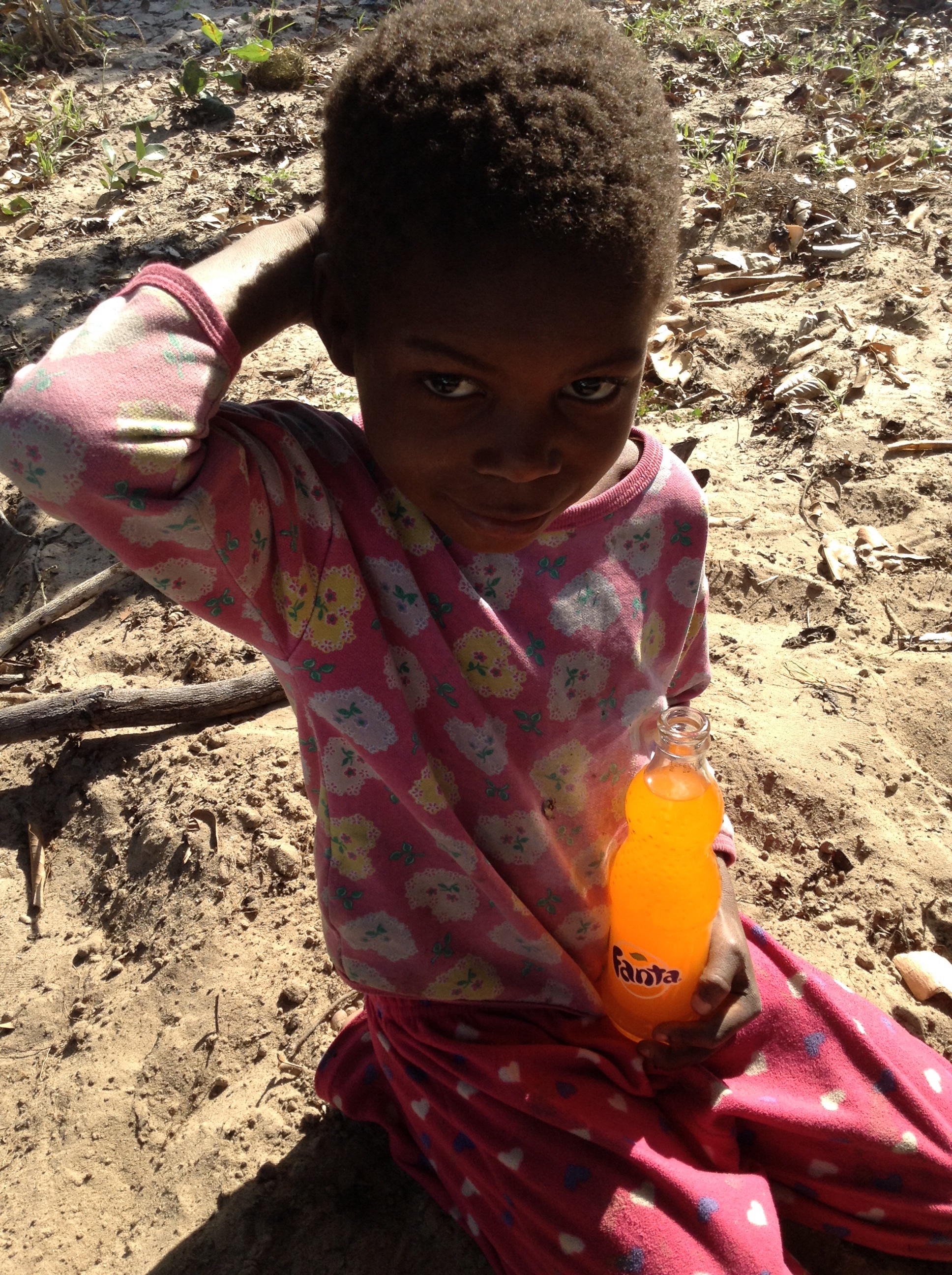
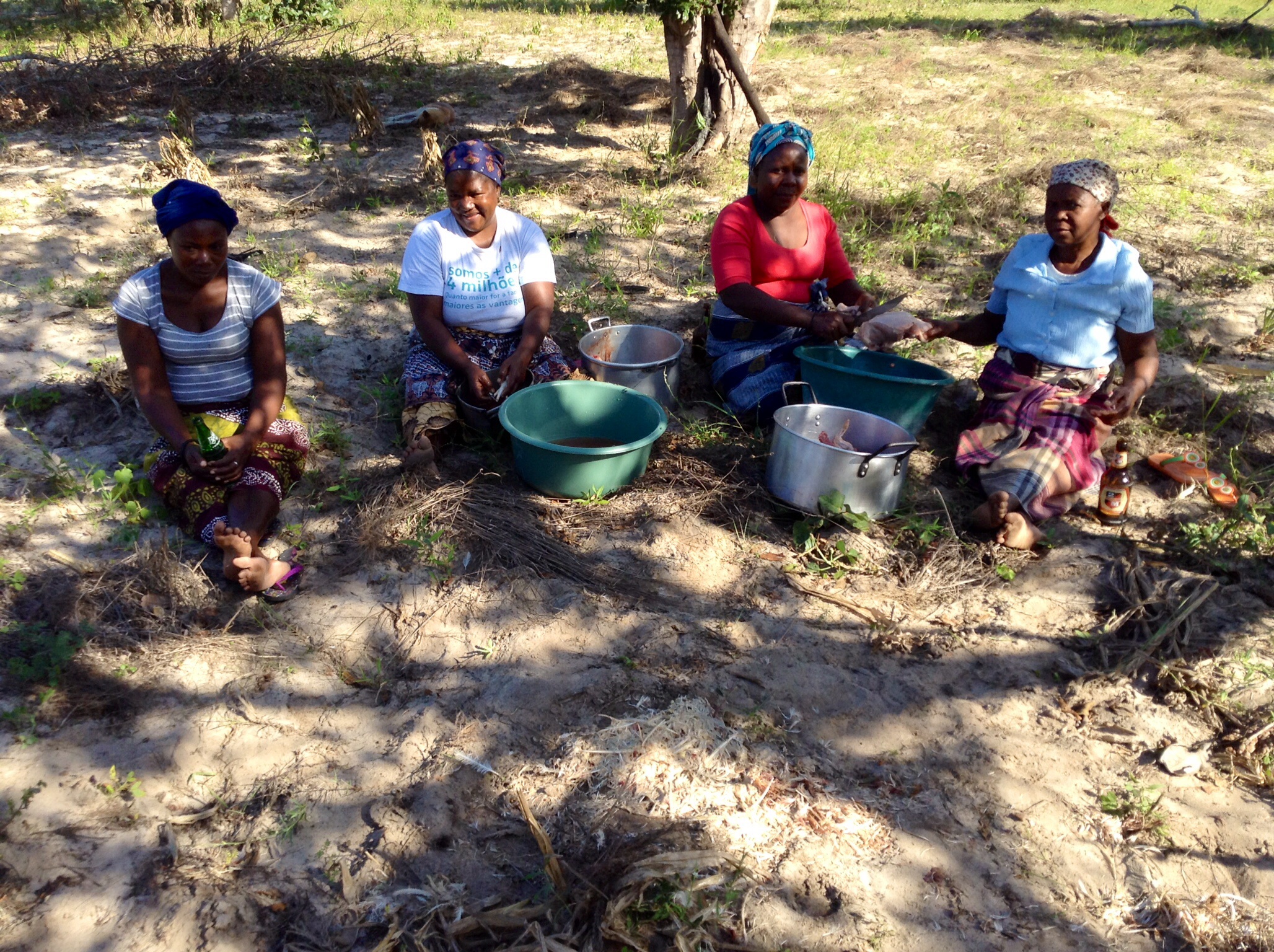
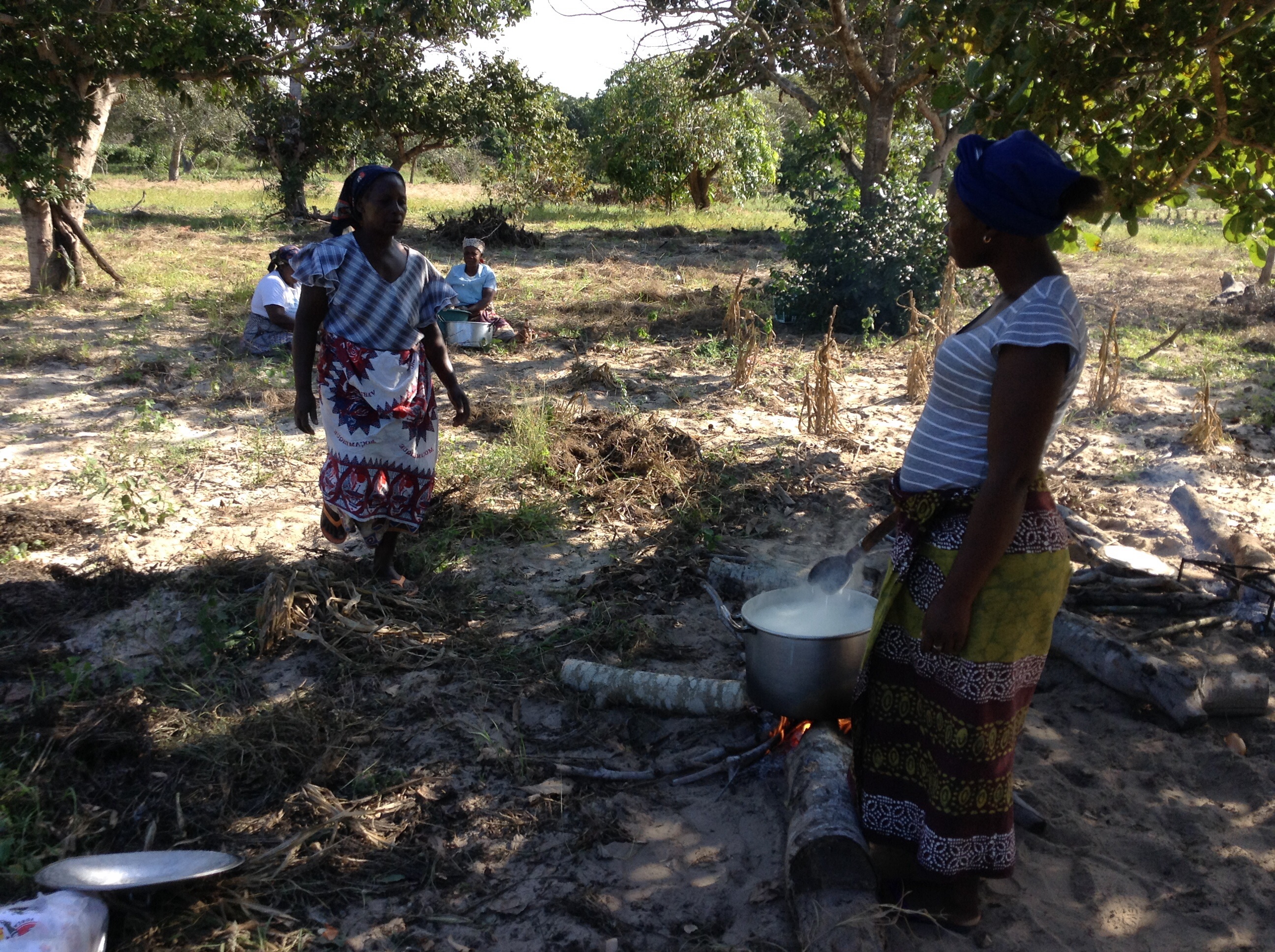
a ven diagram perhaps seemed to open up this weekend, with our lil microcosm overlapping with the women in a new s ettlement in chibuene. it has no paved roads, no sewage lines (but there is a well), no electricity yet, but many families have bought land to build, in the hopes that in ten years this area will become something more than overgrown sandy forest an hour outside of the capital. as our family went to bless new land, neighbors came to play their role and thats where the following photos brought home the reality of the ladies of this land. not the ones who flounce around frelimo headquarters or in the halls of foreign cultural centers -us members of the squabble clan. here is what we are supposed to look like, when tradition calls for it and when it is convenient for the men in our lives. this is perhaps what has made these strong women so strong since a tender age in girlhood – they work harder, they live harder and they try their best to stand tall, even when sitting on the ground in their fresh capulana cloth. Life is a gendered experience and this is what it looks like when no one is looking.




 existabovethenoise